Benefits of Qigong on our digestive system
I teach Qigong six days a week and have seen some wonderful benefits in both myself and my students. One area I find particularly interesting is the relationship between Qigong and our various internal systems, so thought I would discuss the interaction with the digestive system and expand on an article I wrote back in 2023 with what I have recently learnt.
Our digestive system does far more than simply process food, it is closely connected to our nervous system, stress levels and general wellbeing, this is where Qigong can play a positive role in our life.
Gentle movement and abdominal stimulation
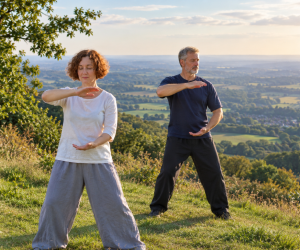
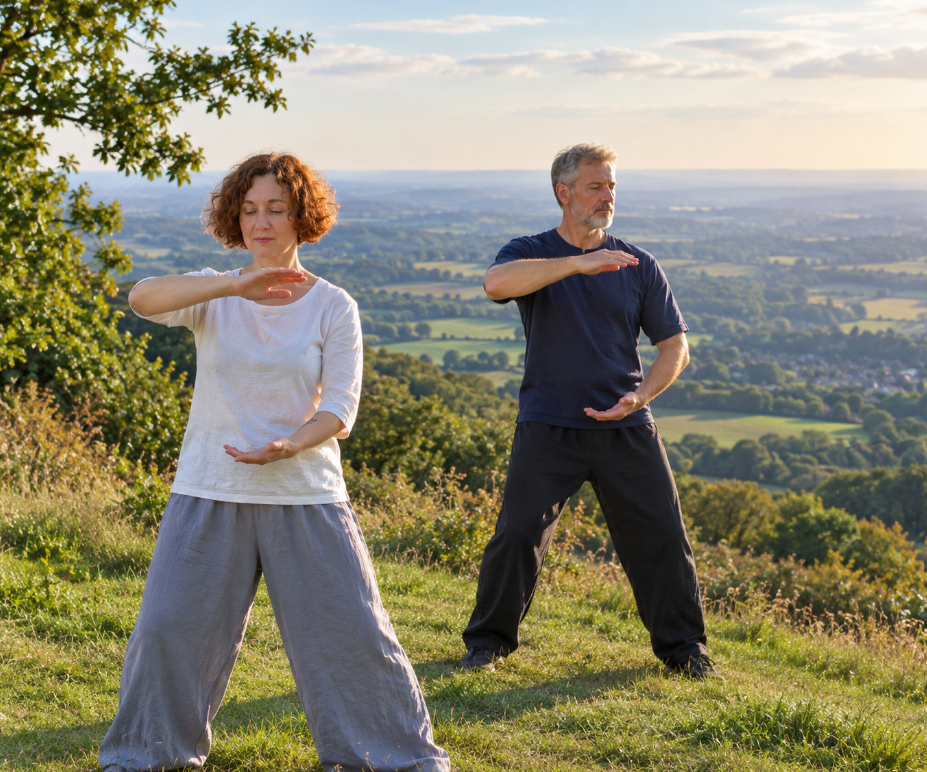
Many Qigong movements involve gentle twisting, stretching, bending and controlled movement of the torso. These movements engage the abdominal muscles and gently move the trunk, which may help support normal digestive activity. I particularly like “Wave hands like clouds and silk reeling”.
Breathing and the diaphragm
Qigong places considerable emphasis on slow, controlled, diaphragmatic breathing. The diaphragm moves downwards during inhalation and upwards during exhalation, creating natural changes in pressure within the abdominal cavity. This movement works alongside the abdominal muscles and contributes to a sense of relaxation and ease around the digestive organs.
The movements and breath also improve circulation and oxygenation of blood which will discuss in future blogs.
The gut-brain connection
Our digestive system and nervous system are closely connected. Stress and anxiety can influence digestion, sometimes contributing to bloating, abdominal discomfort and changes in bowel habits.
Qigong combines breathing, movement and mental focus, helping us to relax and regulate stress. By supporting a calmer nervous system, it also helps reduce some of the effects that stress has on digestion.
Supporting bowel function
Research into physical activity, including Qigong, Tai Chi and other gentle movement practices, suggests potential benefits for people experiencing irritable bowel syndrome (IBS). In fact I have used these exercises and mint tea to pretty much stop my wife’s IBS, which she has suffered with for over 40 years. The research is still developing and more studies are needed, but from my experience I would say it is worth having a try.
One of the wonderful things about Qigong is that it doesn’t have to be physically demanding to be beneficial. The gentle movement, breathing and relaxation, gives everyone the opportunity to benefit.
Sometimes improving our health isn’t about doing more or pushing harder, it’s about learning to move, breathe and relax more effectively.