When stress stops protecting us and starts harming us
Bereavement, separation, divorce, imprisonment, financial difficulties, anxiety at work, school exams, worries about the environment and climate change, all these things can cause varying levels of stress, which in turn can reduce the effectiveness of our immune system.
Stress is there for a reason. It is designed to keep us alive, helping us react quickly to threats and danger when we need to. This is our natural flight or fight response.
However, in today’s modern world, many of the immediate physical threats our ancestors faced are no longer part of everyday life. Instead, our minds create and respond to different types of threats.
Take a late bill payment, for example. We worry about not having enough money, being blacklisted or getting into financial trouble. Yet, in most cases, it isn’t going to kill us. The likely outcome might simply be an additional interest charge or a late payment fee.
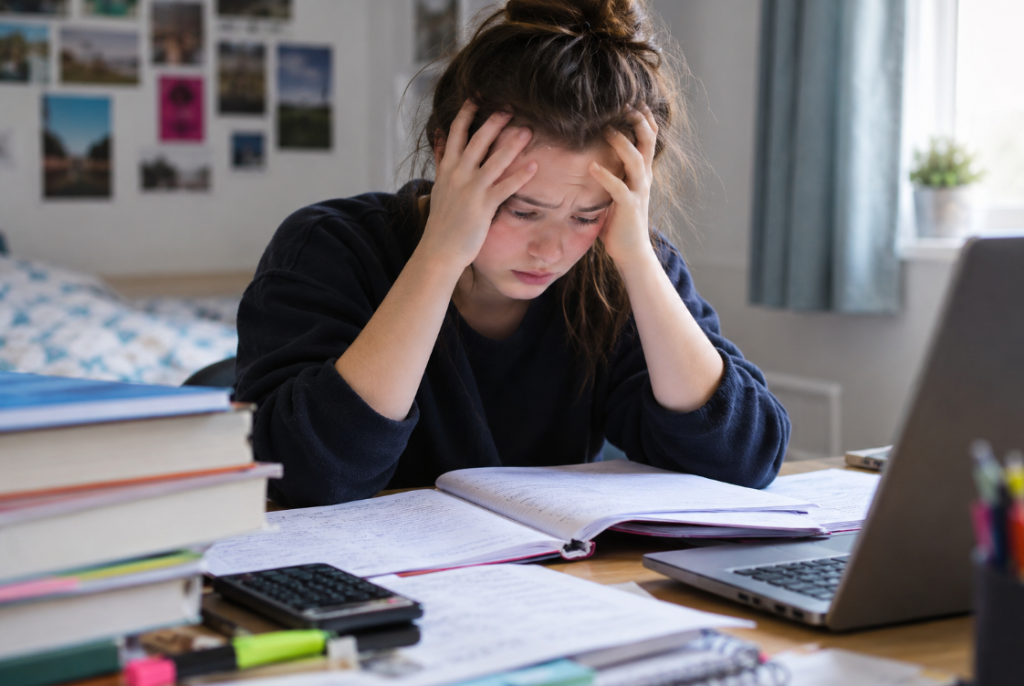
Likewise, consider students during exam periods. The pressure of studying, meeting expectations and worrying about results can place enormous strain on the body. Research has shown that prolonged stress can affect immune function, leaving us more vulnerable when our bodies actually need to be at their best. I see this every year at the same times with the teenagers I teach.
We experience more sources of stress today than at any other point in history.
Much of this stress is not caused by an immediate threat to our survival, but by the constant pressures and worries of modern life.
Perhaps it’s time we started recognising the difference between a genuine threat to our survival and the everyday pressures we allow to take over our minds.
A simple exercise you can try:
When we experience stress, our breathing becomes quicker and shallower. Slowing our breathing can help calm the nervous system and reduce the physical feelings associated with stress.
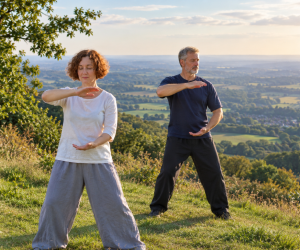
- Stand with your hands hanging loosely by your side, relax your fingers and imagine your hands resting lightly on the top of a walking stick.
- Relax your shoulders.
- Breathe gently in through your nose for a count of four.
- Breathe slowly out for a count of four.
Repeat for approximately two minutes, without forcing or holding your breath.
This exercise encourages the body to move away from its stress response and towards a calmer state.
As you start to relax ask yourself:
- What exactly am I worrying about?
- Is this a genuine threat to my safety?
- What is the worst realistic outcome?
When you have thought about the worst outcome, halve it and then halve it again. This will get you to the most likely worst case scenario.
We want to stop our minds automatically treating every problem as an emergency.
Sometimes, that small change in perspective can make a very big difference.
Discover our books, Make a difference, Change a life
#StressManagement #MentalWellbeing #ManagingAnxiety #MindBodyConnection #StudentWellbeing