Stress, your immune system and why relaxation matters
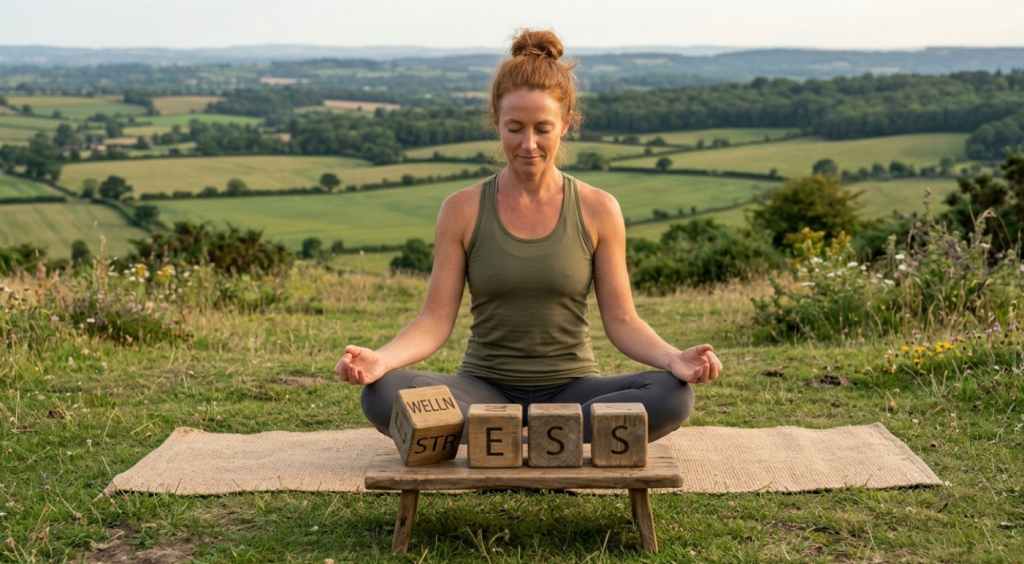
How slowing down can help you stay healthier.
Have you ever noticed that after a particularly stressful period at work, a family crisis or weeks of worrying, you suddenly seem to come down with a cold?
Perhaps you’ve spent weeks rushing around, trying to keep everything together. Then, just as things begin to settle down, you feel exhausted and unwell.
Could there be a connection between stress and our immune system?
Scientific research suggests there may be more to this than we once thought.
The connection between stress and illness
When we experience stress, our bodies respond by activating systems designed to help us deal with challenges (our flight or fight response). Our heart rate can increase, stress hormones are released, and our bodies prepare to respond to what they perceive as a threat. If you want to understand this more, read my book.
This response can be useful in the short term.
The problem is that modern life can leave us feeling under pressure for long periods, with little opportunity to recover.
Research has found that prolonged psychological stress can affect the way our immune system functions. In some circumstances, this may make us more susceptible to infections.
One of the earliest studies, published in 1919 by a Japanese scientist called Ishigami found that incidents of TB went up in children who were under stress.
In later studies involving healthy volunteers who were exposed to respiratory viruses under controlled conditions, researchers found that those experiencing higher levels of psychological stress were more likely to develop a clinical cold.
A later review of 27 prospective studies supported the association between psychological stress and an increased risk of upper respiratory infections.
Our health is influenced by many factors, including sleep, nutrition, physical activity, existing health conditions and exposure to infectious organisms. However, our mental and emotional wellbeing can have an important relationship with our physical health.
Could we learn something from ancient practices?
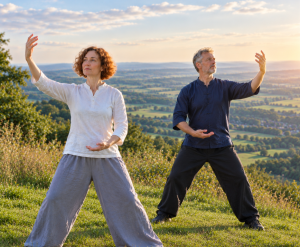
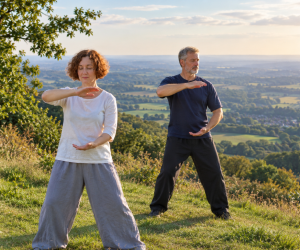
For centuries, practices such as Tai Chi, Qigong and yoga have encouraged people to slow down, pay attention to their bodies and develop more controlled breathing and movement.
Although these practices come from different traditions, they share some interesting characteristics.
They encourage us to move deliberately rather than hurriedly, focus our attention on the present moment, and make time for ourselves away from the demands of everyday life.
Research suggests that these activities can help with aspects of stress management and wellbeing. Some studies have also identified changes in immune-related measures, I have found that since starting to train in Yoga, Qigong and Tai Chi that I have not needed to go to the doctors, in fact the last time I needed to go was 1997 (at the time of writing this post).
Perhaps one of their greatest benefits is that these arts give us an opportunity to step away from the constant demands of modern life.
A typical day for most consists of:
We wake up and check our phones.
We rush to get ready, travel to work, respond to messages, notifications, emails, meet deadlines and worry about money, family or what might happen tomorrow.
Even when we sit down, our minds may continue racing.
We can spend so much time reacting to the world around us that we forget to pay attention to ourselves.
When was the last time you sat quietly for five minutes without looking at a screen, thinking about work or worrying about what needed doing next?
When I teach a Tai Chi class, we do 30 minutes of Qigong, light exercises combined with gentle breathing, at the end of this everyone feels better, I then point out that we have taken around 1,000 slow, thoughtful breaths, when was the last time you did this. The answer is never. The reason people come back to the classes is because this may be the only time in the week that they feel this calm.
Taking time to relax won’t make life’s problems disappear. Nor will it guarantee that you avoid illness, but will make your health more robust.
Developing healthier ways to manage stress can support our overall wellbeing and help us cope with life’s challenges.
Sometimes, the first step towards feeling better is simply giving ourselves permission to pause.
Five simple ways to make a start
You don’t need to join a class or completely change your lifestyle. You could begin with a few simple habits.
1. Practise slow, comfortable breathing. Take a few minutes to breathe gently and steadily. Avoid forcing deep breaths; the aim is to feel comfortable, not to achieve a particular breathing pattern. Visit TCM – Breathwork – Mountain Warriors.
2. Take a gentle walk in the countryside. Leave your phone in your pocket and take a walkthrough the countryside, pay attention to your surroundings. Notice the trees, the sky and the sounds around you.
3. Try Tai Chi, Qigong or yoga. Choose a beginner-friendly session that suits your abilities. Start gently and build up at your own pace. Try some really good relaxation exercises at TCM – Qigong Exercises – Mountain Warriors.
4. Make sleep a priority. Try to establish a regular bedtime routine and create a calmer space and routine before going to sleep. I will be doing a couple of blogs on this subject and how to get asleep.
5. Give yourself permission to stop. Even five minutes away from your usual demands can provide an opportunity to pause, gather your thoughts and decide what really needs your attention. Take a break, read a book, go for a walk, sit in the park, you will be surprised how such a simple thing can change your mood.
Think of these as practical ways to support your wellbeing.
The stress and pressures we experience emotionally and mentally can affect our wellbeing.
What could you do today to give yourself five minutes of calm?
At PEMS Life, we believe that small, practical changes can help us build healthier habits and a better relationship with ourselves.