Is your bedroom really a place for sleep?
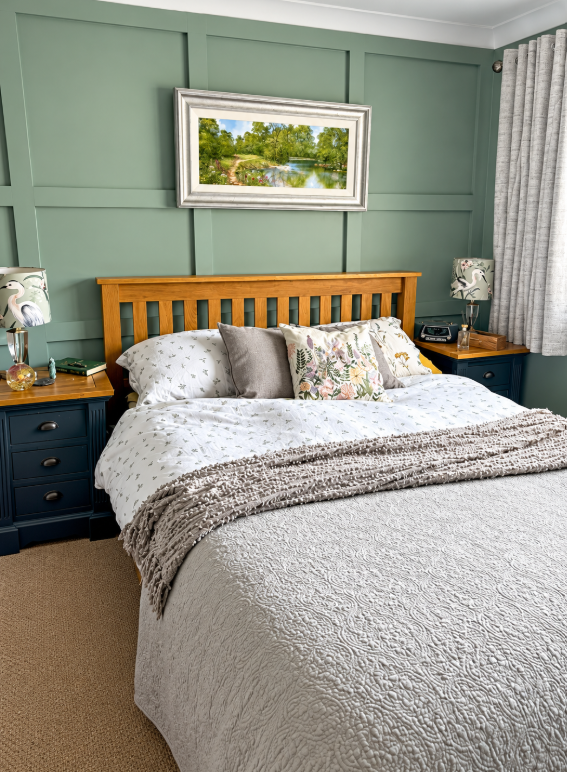
Does your mind know that the bedroom is for sleep? In today’s modern world, we have become accustomed to filling our bedrooms with electronic distractions. Televisions, mobile phones, tablets, computers and other devices have gradually found their way into the very place where we should be switching off, relaxing and sleeping.
But our brains learn through association.
We develop habits and patterns based on the environments we spend time in, if we regularly watch television, scroll through social media, answer emails or work on our laptops in bed, we begin to associate our bedroom with stimulation, entertainment and activity rather than rest.
If we want to get to sleep we need to build that habit in our mind, one of the simplest ways to start doing this is to remove the distractions.
We want our brain to associate the bedroom with sleep and only sleep, no distractions, no stimulation, just sleep.
Remove the TV, keep mobile phones, laptops and tablets away from the bed.
Avoid working from your bedroom.
Try to create a calm, comfortable and relaxing environment.
Develop a consistent bedtime routine, when you enter your bedroom, your mind should begin to recognise the familiar signals that it’s time to switch off and rest. Over time, this association can help make the transition from wakefulness to sleep easier.
Think of your bedroom as a place for sleep, not an extension of your living room or office.
Good sleep starts with the environment you create around you.